 ENG
 TR
 DE

How to Choose a Hose Clamp
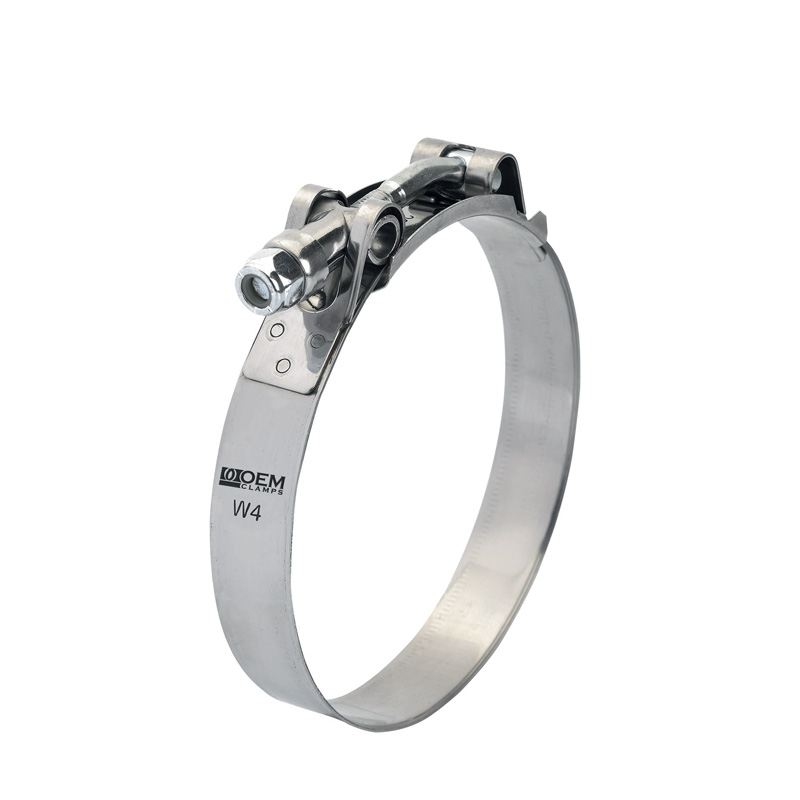
A hose clamp has to hold the hose on the fitting without cutting the cover or losing tension when the line heats up. Start with the outside diameter of the assembled hose, then check the clamp’s closed and open range.
Use a T-bolt clamp when the joint needs high, even torque. A spring-loaded T-bolt keeps tension as the hose expands and contracts. A worm-drive clamp suits lighter service and frequent adjustment. Heavy-duty and narrow bands are for tighter packaging or higher loads.
Tell OEM Clamps the hose material, media, temperature and vibration level. Those details decide band width, housing and material.
More articles
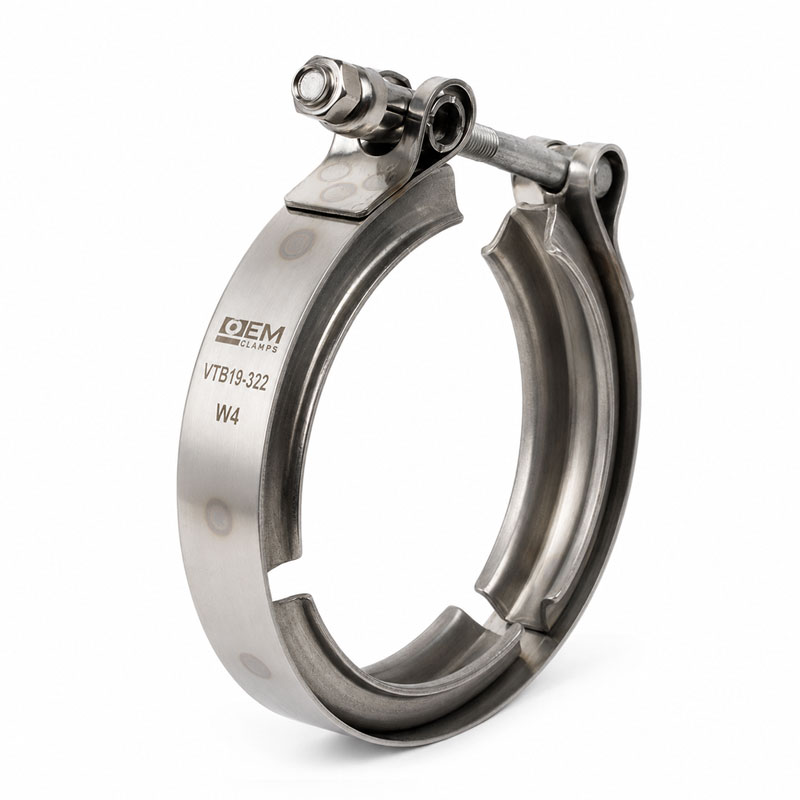
What Is a V-Band Clamp?
A V-band clamp joins flanged pipes with a quick, reusable seal used on exhaust, turbo and DPF connections.
Read more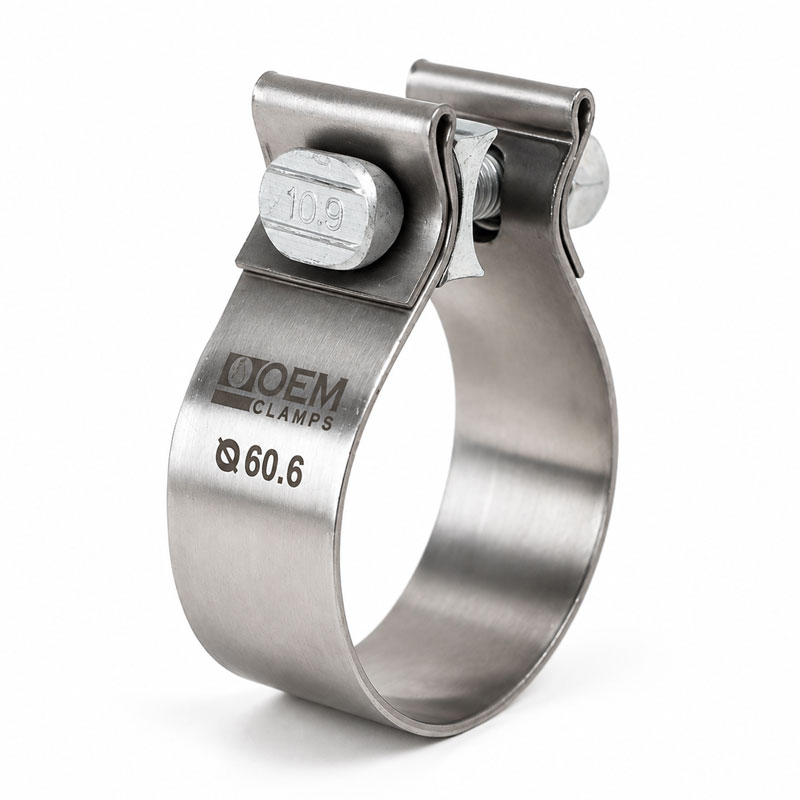
Clamps for Exhaust and DPF Systems
Exhaust and DPF joints need clamps that stay sealed under heat, pressure and vibration.
Read more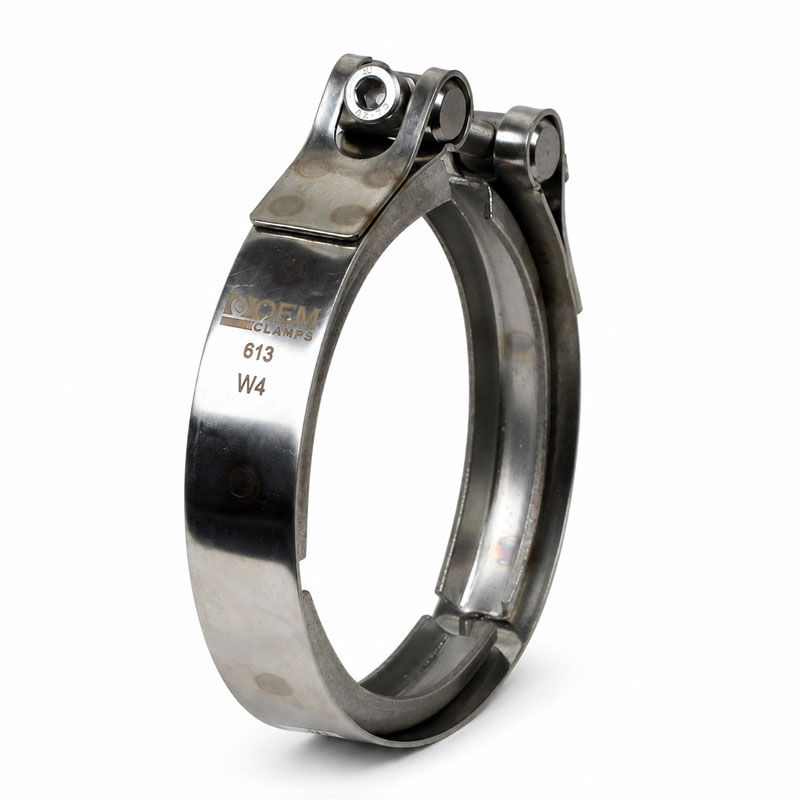
How to Measure a V-Band Clamp
Size a V-band clamp from the flange it grips, not from the pipe bore or the outside of the band.
Read more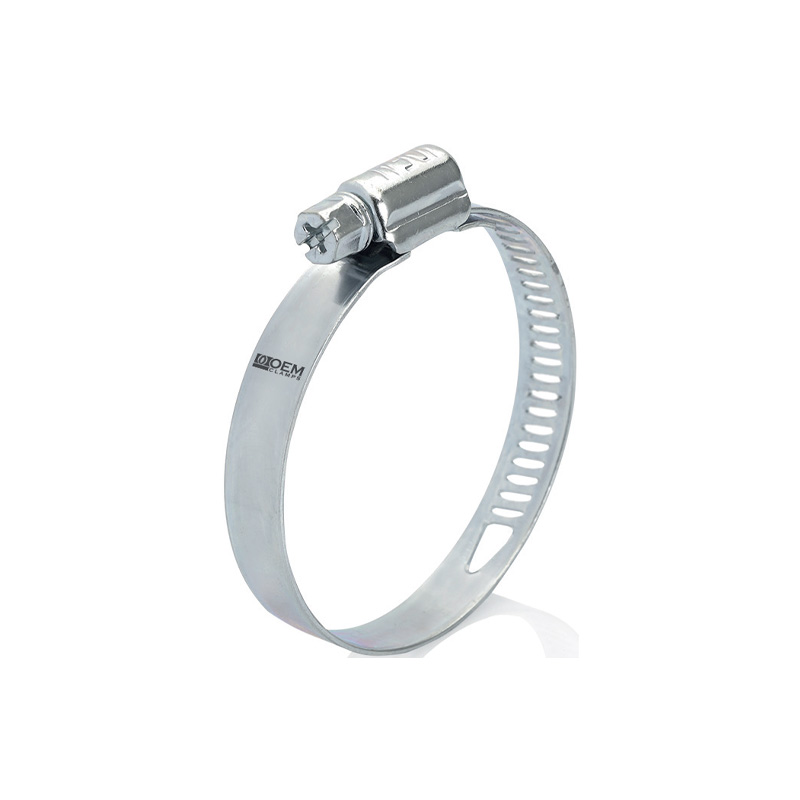
T-Bolt Clamp vs Worm Drive Clamp
A worm-drive clamp suits light hoses. A T-bolt clamp holds larger, higher-torque joints such as charge-air hoses.
Read more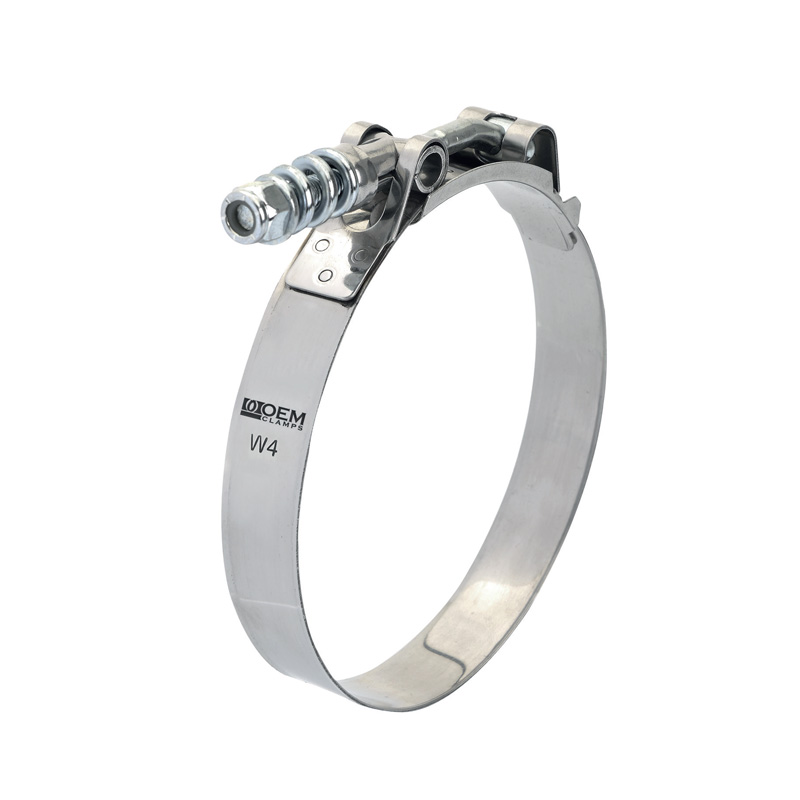
Spring-Loaded T-Bolt Clamps for Hot Hoses
A spring-loaded T-bolt keeps clamp load when a silicone or charge-air hose grows and shrinks with heat.
Read more